
Welcome to Blanca Lifestyle Blog
We’ll show you the best things in life you must see!
FEATURE YOUR STORY NOW
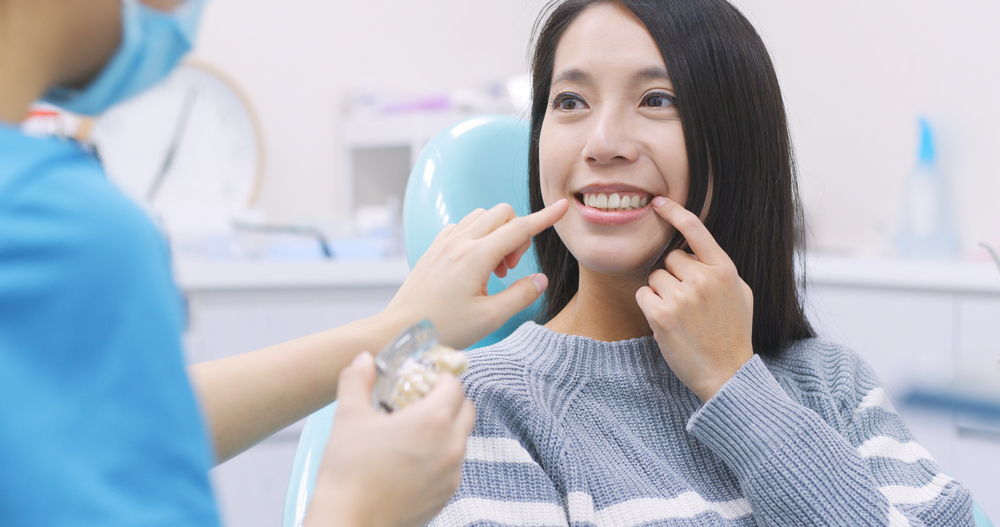
A Smile Designed for Life: How Cosmetic Dentistry Can Complement Australia’s Changing Lifestyle
Australia’s lifestyle has always carried a distinctive sense of movement. From early morning coastal walks and long lunches with friends to demanding professional schedules, weekend sport and increasingly active social lives, Australians are finding new ways to balance health, appearance and everyday wellbeing. In this changing landscape, a smile has become more than an aesthetic feature. It can be part of how people express confidence, personality and a sense of self.
This is where cosmetic dentistry enters the conversation—not as a pursuit of perfection, but as a way of thoughtfully improving aspects of the smile while considering oral health, function and individual circumstances.
The Modern Australian Lifestyle and the Smile
Lifestyle changes often influence how people think about their appearance. Australians may spend more time in photographs, video meetings, social events and public-facing professional environments than previous generations did. At the same time, there is growing interest in health-conscious living, with people investing in fitness, nutrition, skincare and preventive healthcare.
Dental care naturally sits within this broader understanding of wellbeing.
A healthy smile can contribute to everyday confidence, whether someone is speaking at work, meeting friends for coffee in Melbourne, enjoying a family gathering in Brisbane or travelling along the Australian coast. Cosmetic improvements can sometimes address concerns that make people reluctant to smile, such as tooth discolouration, minor chips, uneven tooth shapes or visible gaps.
However, a beautiful result should not exist independently of a healthy mouth. Teeth, gums, bite and underlying structures all contribute to the long-term success of dental treatment.
Cosmetic Dentistry Is Becoming More Personal
One of the most significant developments in contemporary dentistry is the movement away from a one-size-fits-all approach.
The ideal smile is not necessarily the whitest, straightest or most symmetrical smile. Facial proportions, tooth shape, skin tone, age, personality and natural characteristics can all influence how a smile appears. A treatment that looks beautifully balanced on one person may appear unnatural on another.
Modern cosmetic dentistry can involve a range of options depending on the individual’s needs. Professional teeth whitening may help brighten natural teeth, while composite bonding can sometimes improve the appearance of minor imperfections. Porcelain veneers may be considered for selected aesthetic concerns, while orthodontic treatments such as clear aligners can help address certain alignment issues.
The important distinction is that treatment should be designed around the person rather than the trend.
Designing a Smile That Fits Real Life
A smile is used every day. It needs to function during breakfast, conversation, exercise, work and social occasions—not simply look attractive in a photograph.
This makes treatment planning particularly important.
A dentist may consider factors such as enamel condition, gum health, tooth position, bite, existing restorations and the patient’s long-term expectations. Digital imaging and smile-design technologies can also assist communication by allowing patients to understand potential changes before treatment begins.
Yet technology is only part of the equation. A digital simulation cannot replace clinical judgement or an understanding of how teeth function within the mouth.
The best approach is often one that combines aesthetic goals with biological and functional considerations.
Sustainability, Maintenance and Long-Term Thinking
Australia’s increasingly health-conscious culture has also encouraged a broader question: how can people make choices that remain sensible over time?
Dental treatment deserves the same consideration.
Some cosmetic procedures may require ongoing maintenance, while natural teeth still need regular brushing, interdental cleaning, professional examinations and preventive care. Habits such as consuming highly acidic drinks frequently, smoking or neglecting oral hygiene can affect both natural teeth and dental restorations.
For this reason, cosmetic treatment should ideally be viewed as part of a wider oral-health strategy rather than a standalone beauty purchase.
Long-term planning can also mean choosing conservative approaches where appropriate. Preserving healthy natural tooth structure is an important principle in modern dentistry, and not every cosmetic concern requires extensive intervention.
Confidence Without Losing Authenticity
There is an interesting paradox in modern aesthetics: people often want improvement without wanting their appearance to look manufactured.
This is especially relevant to smiles.
Subtle changes can sometimes have a meaningful effect. A slightly brighter smile, improved tooth symmetry or carefully planned alignment may enhance someone’s appearance while retaining the characteristics that make their smile recognisably their own.
The objective does not have to be perfection. It can simply be harmony.
For some people, that may mean addressing one chipped tooth. For others, it could involve orthodontic treatment, whitening or restorative procedures. The appropriate choice depends on the condition of the teeth, the patient’s goals, budget, expectations and long-term oral-health needs.
The Future of Personalised Smiles
As Australian lifestyles continue to evolve, dental care is likely to become increasingly personalised. Digital planning, improved materials and minimally invasive techniques are helping clinicians approach aesthetic dentistry with greater attention to precision and individual anatomy.
But the fundamental principle remains remarkably simple: a smile should belong to the person wearing it.
Before choosing a cosmetic procedure, patients should have an open discussion with a qualified dental professional about their oral health, desired outcome, alternatives, potential limitations, maintenance requirements and expected longevity. Understanding these factors can transform a cosmetic decision into a considered healthcare decision.
Ultimately, the most valuable question is not simply how to create a more attractive smile. It is which treatment is right for your smile?
That question encourages a more thoughtful perspective—one that recognises beauty, health and lifestyle as interconnected. A smile designed for life is not necessarily flawless. It is functional, healthy, natural-looking and suited to the person behind it. In an Australia where lifestyles are becoming more active, visual and individual, that kind of smile may be the most enduring expression of all.

How Orthodontists in Wheelers Hill Balance Science, Aesthetics, and Patient Care
In contemporary dentistry, orthodontics has evolved beyond its traditional perception as merely a corrective science. Nowhere is this more evident than in Orthodontics in Wheelers Hill, where local practitioners are reimagining the discipline as a careful equilibrium of three intertwined pillars: science, aesthetics, and patient care. What emerges from this balance is not just straighter teeth, but healthier lives and confident identities—outcomes that ensure both patients and practices stand out in 2025.
The Scientific Backbone of Orthodontics
At its foundation, orthodontics is rooted in biomechanics, craniofacial growth patterns, and dental physiology. In Wheelers Hill, orthodontists are integrating advanced diagnostic tools—such as 3D imaging, digital intraoral scanners, and AI-assisted treatment planning—to design precise interventions tailored to each patient’s unique anatomy. These technologies have replaced the one-size-fits-all approach of the past, enabling clinicians to predict outcomes with remarkable accuracy.
Yet the science is more than just machinery. Orthodontists here understand that teeth are not isolated structures; they are part of a complex system of muscles, bones, and nerves. Malocclusions can lead to jaw pain, speech difficulties, or even compromised respiratory function. By correcting alignment, these specialists are not simply reshaping smiles—they are enhancing systemic health. The attention to functional harmony exemplifies why the profession in Wheelers Hill commands both trust and respect.
The Aesthetic Imperative
While science ensures functional integrity, aesthetics addresses the human yearning for beauty and confidence. In an era where self-image is closely tied to personal and professional opportunities, orthodontists in Wheelers Hill recognize that treatment outcomes must resonate with the individual’s perception of themselves.
The rise of discreet solutions, such as clear aligners and ceramic braces, highlights this shift. Patients no longer want their treatment to announce itself; they prefer subtle, seamless methods that blend with their lifestyle. The orthodontists here respond by offering solutions that correct dental issues while respecting personal preferences and cultural contexts.
But aesthetics is not merely about appearances. A well-aligned smile can subtly alter facial proportions, enhance symmetry, and create an aura of vitality. This holistic vision—seeing the smile as part of a greater facial landscape—is what sets Wheelers Hill orthodontics apart. It reflects a modern understanding that beauty is as much about balance as it is about brilliance.
The Heart of Patient Care
Science and aesthetics, though vital, remain incomplete without the third pillar: patient care. Orthodontists in Wheelers Hill prioritize the lived experience of the patient, from the first consultation to post-treatment maintenance. This involves more than clinical expertise; it demands empathy, communication, and cultural sensitivity.
Patients are guided through their treatment journey with transparency, often aided by digital visualizations that let them preview projected outcomes. Such tools empower individuals to participate in decision-making, transforming treatment from a prescriptive model into a collaborative process.
Moreover, care extends to emotional well-being. Adolescents, who make up a large proportion of orthodontic patients, often navigate self-esteem challenges. By fostering supportive environments, orthodontists ensure that treatment becomes an uplifting rather than stressful experience. In this sense, the orthodontic clinic evolves into a place of psychological as well as physical transformation.
Standing Out in 2025
As healthcare landscapes grow increasingly competitive, what allows orthodontic practices in Wheelers Hill to stand out in 2025 is precisely this triadic balance. Practices that lean too heavily on technology risk appearing cold or mechanical, while those that focus solely on aesthetics may neglect functional health. Conversely, patient care without scientific rigor risks offering only temporary solutions.
The practices in Wheelers Hill distinguish themselves by holding these elements in equilibrium. They deploy the best of modern science, embrace the evolving aesthetics of global beauty culture, and never lose sight of the individual human sitting in the chair. This integrative approach not only strengthens outcomes but also builds a reputation of trust—an intangible yet invaluable asset in a community-oriented suburb.
The Future of Orthodontics in Wheelers Hill
Looking ahead, orthodontics here is poised to move even further into preventive and personalized realms. Genetic profiling may soon allow clinicians to anticipate alignment issues before they manifest, while biomimetic materials could transform braces and aligners into adaptive, self-adjusting systems. As these innovations emerge, the guiding principle will remain the same: science informs, aesthetics inspires, and care connects.
In 2025 and beyond, the orthodontists of Wheelers Hill are not just treating teeth—they are shaping identities, fostering confidence, and reinforcing health at multiple levels. This comprehensive, balanced philosophy ensures that both their patients and their practices continue to shine brightly in a rapidly evolving dental landscape.
Orthodontics in Wheelers Hill exemplifies how modern healthcare can transcend narrow definitions. By harmonizing the scientific, aesthetic, and human dimensions of care, orthodontists here offer more than treatment—they offer transformation. In doing so, they demonstrate that the true art of orthodontics lies not just in straightening teeth, but in weaving together health, beauty, and compassion in a way that will undoubtedly stand out in 2025.

Smile and Style: How Orthodontics Shapes Modern Lifestyles
In today’s fast-paced and image-conscious world, a confident smile is more than just a sign of good health—it’s a lifestyle statement. The fusion of orthodontics with fashion, wellness and social trends has redefined how people approach dental care. Once seen as a necessary but awkward phase, braces and other orthodontic treatments are now embraced as style-conscious choices that reflect self-care, modernity, and personal empowerment. As smile trends evolve, orthodontics continues to play a central role in shaping both appearances and attitudes.
The Evolution of Orthodontics
Orthodontics has come a long way from bulky metal braces and uncomfortable headgear. Today’s innovations include clear aligners, ceramic brackets, lingual braces, and even accelerated treatments tailored to modern lifestyles. These advances offer more than just aesthetics—they allow people to maintain their lifestyle with minimal disruption while achieving optimal dental alignment.
Clear aligners, such as Invisalign, have revolutionized how people view orthodontic care. These nearly invisible trays are a favorite among adults and teenagers alike, enabling them to undergo treatment discreetly while still projecting confidence in social and professional settings. Unlike traditional braces, clear aligners require fewer appointments, making them ideal for busy individuals who want results without sacrificing convenience.
Smile Trends in the Age of Social Media
The rise of social media has amplified the importance of a picture-perfect smile. Platforms like Instagram, TikTok, and YouTube have contributed to the growth of smile trends, with influencers showcasing their orthodontic journeys and motivating others to invest in their oral aesthetics. A bright, aligned smile is now considered an essential part of one’s personal brand, contributing to how individuals are perceived both online and offline.
These trends have inspired many to seek orthodontic treatment earlier and more proactively. Teenagers, young professionals, and even retirees are embracing treatments not only to improve dental function but also to align with lifestyle aesthetics. Orthodontics is no longer just about correcting bite issues—it’s a path toward self-expression and social confidence.
Aligning Treatment with Lifestyle Goals
Modern orthodontics caters to a wide range of lifestyles. For the health-conscious, treatments are often integrated with overall wellness plans. Orthodontists now collaborate with other healthcare professionals, including nutritionists and sleep specialists, to ensure that dental care contributes holistically to a patient’s well-being. For example, proper alignment can reduce issues like jaw pain, teeth grinding, and even improve sleep quality.
For professionals and frequent travelers, digital orthodontics is a game-changer. Remote monitoring apps, 3D imaging, and virtual consultations mean that treatment can continue uninterrupted, no matter where life takes them. Busy schedules no longer have to come at the cost of dental care, making orthodontics a seamless part of the modern lifestyle.
Fashion Meets Function
Believe it or not, orthodontics has also found a place in fashion. Some brands now offer colorful bands, customized brackets, and even gold-tone appliances that let wearers personalize their look. What used to be hidden or covered up is now proudly displayed. Braces are becoming a fashion accessory for some, especially among younger generations who see them as part of their identity.
Additionally, the market has seen a rise in dental-friendly beauty products—from lip balms formulated for braces-wearers to aligner-safe whitening pens. These products reflect a growing awareness that orthodontic care intersects with beauty and personal care routines.
Orthodontics for All Ages
Orthodontics is no longer reserved for teenagers. Adults in their 30s, 40s, and even 60s are opting for treatment, showing that style and self-improvement are ageless pursuits. This shift is changing the narrative around braces, normalizing them at every stage of life. With the increase in discreet options, older adults are empowered to improve their smiles without feeling self-conscious or out of place.
The normalization of adult orthodontics also reflects broader cultural shifts. People are living longer, working longer, and investing in themselves for both health and appearance. A beautiful, functional smile is a long-term asset that supports both personal and professional goals.
The Future of Orthodontic Lifestyle Integration
As smile trends continue to evolve, orthodontics will remain at the forefront of innovation. We can expect even smarter aligners, AI-driven treatment planning, and personalized care that aligns closely with individual routines. Augmented reality tools may soon allow patients to visualize post-treatment smiles before even starting, making decision-making more informed and exciting.
Moreover, orthodontic marketing is increasingly lifestyle-driven. Clinics now offer spa-like environments, concierge services, and even subscription-based maintenance plans, recognizing that patients seek comfort, convenience, and style as part of their healthcare experience.
Orthodontics is no longer just a dental specialty—it’s a lifestyle enhancer. From fashion-forward treatments to health-aligned strategies and digital convenience, modern orthodontic care fits effortlessly into contemporary life. As smile trends influence how we express ourselves and connect with others, orthodontics provides the tools to keep our appearance aligned with our identity and aspirations. Whether you’re a student, entrepreneur, athlete, or retiree, investing in your smile is a powerful way to shape your style—and your future.

Veneers and Wellness: A Smile That Reflects a Healthy Lifestyle
A bright, beautiful smile often symbolizes more than just good dental hygiene — it reflects confidence, vitality, and a commitment to self-care. Today, people are recognizing the broader connection between oral aesthetics and overall wellness. One of the most transformative tools in achieving this connection is dental veneers. These ultra-thin shells, custom-made to fit over the front surface of teeth, do more than improve appearances — they can help you live more positively, embrace a healthier lifestyle, and feel more aligned with your personal well-being goals.
The Connection Between Oral Aesthetics and Mental Health
Modern wellness is a holistic concept. It includes physical, emotional, and mental health — all of which are influenced by how we see ourselves and how we believe others perceive us. Many people with chipped, stained, or misaligned teeth often hide their smiles, avoid social interactions, or feel less confident in personal and professional settings.
Dental veneers offer a solution that’s not just cosmetic but emotionally empowering. By enhancing the appearance of your smile, veneers can improve your self-image. A confident smile can lead to more social engagement, greater professional assertiveness, and even an increase in daily happiness. In short, they can help you live more positively by boosting self-esteem and promoting a healthier mindset.
Building Healthier Habits with a New Smile
The transformation that comes with veneers often inspires people to improve other aspects of their lifestyle. After investing in a new smile, many individuals become more mindful about their overall health. They may quit smoking, reduce their intake of staining foods and drinks (like coffee, red wine, or soda), or improve their oral hygiene routines to protect their investment.
This ripple effect reinforces the idea that dental veneers are more than a cosmetic fix — they’re a stepping stone to positive lifestyle changes. When you feel good about your appearance, you naturally want to maintain that feeling, which may lead to better habits around nutrition, hydration, and dental care.
Physical Wellness and Oral Health
Physical wellness and oral health are deeply connected. Conditions like gum disease and tooth decay can lead to broader health issues such as heart disease, diabetes complications, and respiratory infections. While dental veneers don’t replace the need for healthy gums and teeth, they often motivate patients to keep up with regular check-ups and cleanings — habits that contribute to better overall health.
Moreover, when veneers are applied, dentists typically ensure that underlying issues like cavities or enamel wear are addressed first. This process can lead to a healthier oral environment overall. With the aesthetic concern resolved and foundational dental care addressed, patients are more likely to maintain routine preventive care — reinforcing both oral and systemic wellness.
Emotional Wellness: Smiling as Therapy
Numerous psychological studies have shown that smiling — even when you don’t feel happy — can improve your mood and reduce stress. It activates the brain’s release of dopamine, serotonin, and endorphins, the body’s natural feel-good chemicals. For someone who has long been self-conscious about their teeth, being able to smile freely can be genuinely life-changing.
Dental veneers restore not only the structure and appearance of teeth but also the freedom to express joy. That uninhibited smile can help you live more positively by fostering deeper personal connections, increasing your sense of belonging, and giving you the emotional resilience to navigate life’s challenges with confidence.
A Wellness Investment That Lasts
Many people hesitate to consider cosmetic dentistry because they view it as an unnecessary luxury. But if we reframe veneers as a wellness investment — one that contributes to mental clarity, emotional health, and physical well-being — they take on new value. Just as people invest in gym memberships, spa treatments, or mindfulness retreats to improve their lives, dental veneers can serve as a long-lasting upgrade to your quality of life.
Veneers are also durable, with porcelain options lasting 10 to 15 years or more with proper care. This makes them not just a short-term fix, but a sustainable part of a long-term wellness plan. Their longevity allows people to enjoy the benefits of a confident, healthy-looking smile for years — a benefit that continues to pay dividends in all areas of life.
Living Positively with a Renewed Smile
Ultimately, veneers are more than just thin layers of porcelain or composite resin — they’re a visible symbol of personal growth and self-respect. A well-crafted smile can serve as a daily reminder of the commitment you’ve made to care for yourself, not just aesthetically, but in every aspect of your life.
Dental veneers blend the science of dentistry with the art of well-being. They provide individuals with the confidence to show up fully in their lives — whether that’s in social circles, in the workplace, or within their own reflections. This transformation, both inside and out, is what makes veneers a powerful ally in the pursuit of a healthier, more balanced lifestyle.
If you’re looking for a wellness journey that starts with a smile, veneers might be your first step. They’re not just a cosmetic choice — they’re a lifestyle one. A smile shaped by veneers can help you live more positively, opening doors not just with others, but within yourself.

Post-Whitening Life: How to Keep Your Smile Bright Every Day
A dazzling, white smile can boost your confidence, enhance your appearance, and even make you look younger. After undergoing a teeth whitening treatment, whether in-office or at home, many people feel renewed and ready to show off their smile. However, the journey to a brighter smile doesn’t end with the treatment. Maintaining those sparkling results requires ongoing care, conscious lifestyle choices, and regular visits to a trusted dental professional.
In this guide, we explore how to maintain your whitened teeth daily and why choosing a dental clinic wisely plays a key role in long-term oral success.
1. Understand What Causes Stains
To maintain your results, it’s crucial to know what contributed to staining in the first place. The most common culprits include:
- Food and beverages: Coffee, tea, red wine, tomato sauces, and berries are notorious for staining teeth.
- Smoking and tobacco use: Nicotine and tar can cause significant discoloration over time.
- Poor oral hygiene: Inadequate brushing and flossing allow plaque buildup, which can attract stains.
- Aging: As enamel wears down with age, the yellowish dentin underneath becomes more visible.
While you can’t stop time, you can limit your exposure to other staining agents through smarter lifestyle choices.
2. Build a Bright Smile Routine
After teeth whitening, establishing a consistent oral care regimen is your first line of defense.
- Brush twice daily using a soft-bristled toothbrush and whitening toothpaste. Choose one with low abrasiveness to avoid enamel erosion.
- Floss every day to remove food particles and plaque from areas your brush can’t reach.
- Rinse your mouth with water after consuming staining beverages or acidic foods to reduce residue.
- Use a straw when drinking coffee, soda, or wine to minimize liquid contact with your front teeth.
Pro tip: Some dentists may recommend using a whitening mouthwash or touch-up whitening gel weekly to extend the brightness of your smile.
3. Eat Smart for a Whiter Smile
What you eat can either support or sabotage your whitening results. Here’s a quick guide to teeth-friendly foods:
Eat more of:
- Crunchy fruits and vegetables like apples, carrots, and celery—they help scrub your teeth naturally.
- Dairy products such as cheese and yogurt, which contain calcium and phosphate that strengthen enamel.
- Water-rich foods like cucumbers and watermelon, which help keep your mouth clean and hydrated.
Limit intake of:
- Sugary snacks and soda, which promote plaque buildup and discoloration.
- Highly pigmented foods (like curry or soy sauce) that can stain enamel over time.
Following a “white smile” diet not only supports oral aesthetics but also contributes to your overall health.
4. Avoid Smoking and Vaping
Tobacco is one of the top reasons for teeth staining and overall oral deterioration. After investing in teeth whitening, continuing to smoke or vape is counterproductive. Not only will your results fade faster, but you’ll also increase your risk of gum disease, bad breath, and even oral cancer.
If quitting is challenging, speak with your dental clinic. Many offer resources or referrals to help you reduce or stop tobacco use altogether.
5. Schedule Regular Dental Visits
One of the most overlooked secrets to maintaining your whitened smile is routine dental check-ups. Professional cleanings remove plaque and tartar that regular brushing may miss, which helps prevent new stains from settling in.
This is where choosing a dental clinic that aligns with your needs becomes essential. Look for a clinic that offers:
- Experience in cosmetic dentistry, particularly teeth whitening follow-ups.
- Personalized care plans to help you maintain your results.
- A clean, welcoming environment that encourages regular visits.
- Availability of touch-up treatments or professional-grade whitening products for at-home use.
Whether you’re considering whitening for the first time or need support in maintaining your new smile, the right clinic can be a valuable partner in your oral health journey.
6. Consider Periodic Touch-Ups
No teeth whitening treatment lasts forever, especially if your lifestyle includes stain-causing habits. Touch-up treatments every 6–12 months can help you keep your teeth looking fresh and bright. Your dental clinic may offer quick in-chair sessions or custom trays for at-home use.
Before you jump into another treatment, however, consult with your dentist. Over-whitening can damage enamel and increase sensitivity. With professional guidance, you can find the safest and most effective path to preserving your results.
Teeth whitening is a powerful tool for improving your appearance and confidence, but its benefits will fade without consistent care. By making thoughtful choices about your diet, habits, and daily oral hygiene, you can extend the life of your brighter smile.
Just as important is choosing a dental clinic that prioritizes not only aesthetics but also long-term oral health. A trusted dentist can provide the tools, advice, and support you need to keep smiling with confidence—every single day.

How a Smile Upgrade Can Redefine Your Self-Image and Lifestyle
In today’s image-conscious world, your smile is more than just a facial feature—it’s a powerful asset that plays a central role in shaping how others perceive you and, more importantly, how you perceive yourself. Whether you’re walking into a job interview, going on a first date, or attending a social event, your smile can impact your confidence and how you carry yourself. With advancements in aesthetic dental care, more people are turning to a cosmetic dentist to upgrade their smiles and, in doing so, redefine their self-image and lifestyle.
The Psychology of a Smile
There’s a deep connection between self-perception and outward appearance. Smiling not only makes you appear more approachable and friendly, but it also triggers positive neurological responses in your own brain. A confident smile can decrease stress, boost mood, and improve interpersonal communication. But if you’re self-conscious about your teeth—whether due to discoloration, misalignment, or chips—you’re less likely to smile freely.
That hesitation can trickle into every area of life. People may avoid social situations, dread photos, or even speak less often to hide their teeth. Over time, this can lead to reduced self-esteem and social withdrawal. This is where a cosmetic dentist can step in, not just as a healthcare provider, but as a confidence architect.
What a Smile Upgrade Involves
Smile upgrades aren’t about drastic transformations or trying to look like someone else. They’re about enhancing what’s already there to align with your ideal self-image. Popular treatments include:
* Teeth whitening for a brighter, more youthful appearance
* Invisalign or braces to straighten crooked teeth discreetly
* Porcelain veneers to reshape teeth and correct imperfections
* Bonding and contouring to repair chips and smooth edges
* Dental implants to replace missing teeth with natural-looking alternatives
Each procedure is tailored to the individual’s facial structure, skin tone, and lifestyle, making the outcome look and feel natural. A skilled cosmetic dentist doesn’t just fix teeth—they design smiles that complement a person’s personality and overall aesthetic.
Boosting Self-Image Through Aesthetic Dentistry
When people invest in their smile, the ripple effect on self-image can be dramatic. Looking in the mirror and liking what you see fosters a greater sense of self-worth. That shift is visible in posture, eye contact, and the way one engages with others. Many patients report feeling more outgoing, self-assured, and ready to take on new challenges after their treatment.
In fact, studies have shown that individuals with attractive smiles are often perceived as more intelligent, successful, and trustworthy. Whether we like it or not, appearances influence first impressions. That’s why upgrading your smile isn’t just about vanity—it’s about unlocking the confidence to live boldly.
Lifestyle Enhancements That Follow
A smile makeover can lead to meaningful changes in everyday life. From improved personal relationships to new professional opportunities, the benefits are often surprising. Here’s how:
1. Career Confidence
In competitive industries, appearance can be a silent but powerful factor in career progression. A healthy, confident smile can be the edge that sets you apart in presentations, interviews, or networking events.
2. Healthier Habits
People who invest in cosmetic dental procedures often become more conscious of their overall health. They may adopt better oral hygiene routines, quit smoking, or eat more mindfully to maintain their results.
3. Enhanced Social Life
When you’re not worried about hiding your teeth, you’re more likely to laugh, speak, and connect. Social interactions become more enjoyable, and you’re more willing to put yourself out there.
4. A Stronger Sense of Identity
Your smile is part of your personal brand. It’s central to how you express emotion and show up in the world. By refining your smile, you’re also reinforcing your unique look and embracing the importance of personal style.
The Role of Personal Style
Personal style is more than just clothing—it’s how you express who you are without saying a word. Your smile plays an essential role in that expression. Just as you might tailor your wardrobe to suit your body type or lifestyle, enhancing your smile can align your outward appearance with your inner confidence.
Working with a cosmetic dentist gives you the opportunity to create a smile that feels authentically you. Whether you prefer a subtle, natural enhancement or a Hollywood-level glow-up, your dentist will take into account your facial aesthetics and your personal style to ensure the results complement your individuality.
Investing in your smile is a deeply personal journey—one that can dramatically shift how you see yourself and how you live your life. In an age where self-expression and visual identity matter more than ever, working with a cosmetic dentist can be a game-changing step toward greater confidence and a more vibrant lifestyle.
Your smile is the one accessory you wear every day. Make it one that reflects your true self, aligns with your style, and empowers you to live boldly.

Perfect Smiles and Luxury Living: The Rise of Dental Aesthetics in High Society
The Power of a Perfect Smile in Luxury Lifestyles
In today’s high society, a flawless smile is more than just a symbol of beauty—it’s a statement of prestige and status. With the growing influence of social media, celebrity culture, and the ever-increasing demand for personal branding, dental aesthetics have become an essential part of the luxury lifestyle. From Hollywood stars to corporate moguls, individuals are investing heavily in cosmetic dentistry to achieve radiant, symmetrical smiles. Beyond the pursuit of beauty, these procedures often contribute to overall oral health, helping to prevent or detect serious conditions like oral cancer your dentist may discover during routine visits.
The Evolution of Dental Aesthetics in High Society
Cosmetic dentistry was once considered a privilege reserved for celebrities and the ultra-wealthy. However, in recent years, it has evolved into a mainstream component of luxury living. Cosmetic dentists now offer highly customized treatments that blend artistry with advanced technology, creating smiles tailored to each client’s facial structure, personality, and lifestyle preferences.
The trend has been largely influenced by public figures and social media influencers, whose perfect smiles are plastered across platforms like Instagram and TikTok. The appeal of a dazzling, photogenic smile has driven many individuals—particularly those in high society—to seek out the most elite dental professionals, often traveling globally for premium services.
Health and Aesthetics: More Than Just a Pretty Smile
While dental aesthetics focus heavily on appearance, they also play a crucial role in maintaining oral health. Regular visits to a cosmetic dentist for smile enhancements often lead to the early detection of serious conditions, including oral cancer your dentist may discover during exams. Many high-end clinics now incorporate advanced oral cancer screenings into their cosmetic consultations, providing an added layer of protection.
Early diagnosis of oral cancer significantly improves treatment outcomes. This makes regular visits to elite dental clinics not only a cosmetic luxury but also a vital health investment.
Luxury Smile Enhancements: What Are the Most Sought-After Treatments?
High society clients are no longer satisfied with basic teeth whitening or standard veneers. Today, they seek comprehensive smile transformations, which often include a combination of procedures. The most popular treatments include:
- Porcelain Veneers: Custom-crafted to create a uniform, flawless appearance, veneers are a favorite among celebrities and socialites. They offer a long-lasting solution for discoloration, gaps, and minor misalignments.
- CEREC Same-Day Crowns: For time-conscious individuals, cosmetic dentists offer CEREC technology, which allows for the design and placement of dental crowns in a single visit. This service is particularly popular with busy professionals and jet-setters.
- Gum Contouring: This procedure sculpts the gum line to create a balanced, symmetrical smile, adding to the overall aesthetic appeal.
- Invisible Orthodontics: Clear aligners such as Invisalign offer discreet yet effective teeth straightening, perfect for individuals who want a flawless smile without the noticeable appearance of braces.
- Teeth Whitening and Cosmetic Bonding: Often performed before major events, high-end teeth whitening treatments and bonding are quick solutions for enhancing a smile’s brightness and symmetry.
The Exclusive Experience: Luxury Dental Clinics and VIP Services
For the affluent, cosmetic dental procedures go beyond simple chairside treatments. Luxury dental clinics cater to their discerning clientele by providing spa-like environments, personalized concierge services, and VIP amenities.
Exclusive clinics offer:
- Private suites with personalized entertainment to ensure maximum comfort during procedures.
- Travel concierge services for international clients, arranging everything from flights to luxury accommodations.
- Comprehensive wellness packages that include dental, facial aesthetics, and anti-aging treatments, creating a full lifestyle transformation.
These services create an unparalleled experience, making dental enhancements feel as indulgent as a five-star retreat.
The Financial Investment: A Smile Worth Millions
For high society, investing in a perfect smile is akin to purchasing a luxury car or designer jewelry—it is a symbol of sophistication and success. Full smile makeovers can range from $30,000 to $100,000, with some exclusive dentists charging even higher fees for bespoke treatments.
The demand for high-end dental aesthetics has created a thriving industry, with cosmetic dentists building international reputations for their signature smile transformations. For the affluent, the expense is justified by the lasting impact on their appearance, confidence, and social status.
Celebrity Influence: Setting the Standard for Dental Beauty
Celebrities play a major role in shaping dental aesthetic trends. Red carpet smiles, showcased by actors, musicians, and influencers, set the standard for dental beauty. Names like Tom Cruise, Julia Roberts, and George Clooney are renowned for their flawless smiles, inspiring many to pursue similar cosmetic treatments.
Moreover, reality stars and social media influencers flaunt their post-treatment smiles, creating a ripple effect where their followers strive to achieve the same level of dental perfection. This has fueled the demand for cosmetic dentists who specialize in celebrity-inspired smile makeovers.
The Smile as the Ultimate Luxury Statement
In the world of high society, a perfect smile has become the ultimate symbol of luxury and prestige. Cosmetic dentistry is no longer just about fixing dental imperfections—it’s about creating a lifestyle statement. With advanced treatments, personalized care, and health benefits such as the early detection of oral cancer your dentist may discover, investing in dental aesthetics is now considered both a beauty enhancement and a smart health decision.
As cosmetic dental technology continues to evolve, expect to see even more innovation and artistry, making radiant, flawless smiles the definitive hallmark of modern luxury living.

Are Dental Implants Right for Your Active Lifestyle?
For those leading an active lifestyle, dental health plays a crucial role in overall well-being. Whether you’re an athlete, a fitness enthusiast, or simply someone who enjoys outdoor activities, having strong, reliable teeth is essential. Missing teeth can impact not only your confidence but also your ability to eat, speak, and perform daily activities comfortably. This is where dental implants come into play. If you’re considering dental implants in Fitzroy or elsewhere, understanding their impact on your active lifestyle is essential.
What Are Dental Implants?
Dental implants are a permanent solution for missing teeth, consisting of a titanium post surgically inserted into the jawbone. This post acts as an artificial root, supporting a crown that mimics the look and function of a natural tooth. Unlike dentures or bridges, dental implants integrate with the bone, providing stability and durability.
If you lead an active lifestyle and want a durable, natural-looking solution for missing teeth, dental implants could be the perfect choice. Whether you’re a runner, cyclist, yoga enthusiast, or sports player, implants provide a reliable, long-lasting option that supports your everyday activities. If you’re exploring dental treatments, consulting with a professional dental implants in Fitzroy can help you make an informed decision.
Why Active Individuals Choose Dental Implants
1. Durability and Strength
For individuals with an active lifestyle, durability is a key concern. Dental implants are designed to withstand pressure, making them an ideal choice for those who participate in sports, fitness routines, and outdoor activities. Unlike removable dentures, which can become loose or break, implants stay securely in place.
2. No Dietary Restrictions
A significant advantage of dental implants is the ability to enjoy a varied diet. If you engage in high-energy activities, you need a balanced diet that includes protein-rich foods, crunchy vegetables, and hard fruits. Unlike traditional dentures that require dietary adjustments, dental implants allow you to eat without worry.
3. Comfort and Convenience
Dental implants feel and function like natural teeth. For individuals who are always on the move, this means no slipping, discomfort, or need for adhesives, unlike dentures. You can go about your daily routine without the inconvenience of worrying about your dental prosthetics.
4. Improved Speech and Confidence
Missing teeth or ill-fitting dentures can affect speech, making it difficult to communicate clearly. This can be especially concerning if your lifestyle involves public speaking, coaching, or social interactions. Dental implants provide a stable solution, improving speech and boosting confidence.
5. Long-Term Oral Health Benefits
Unlike traditional dental treatments such as bridges, dental implants help preserve jawbone health by preventing bone loss. When a tooth is missing, the surrounding bone can deteriorate over time, leading to facial sagging and a weakened jaw structure. Implants stimulate bone growth, maintaining facial aesthetics and oral health.
Are Dental Implants Safe for Athletes and Fitness Enthusiasts?
For those involved in contact sports or intense physical activities, dental implants can be a game-changer. However, it’s crucial to take extra precautions to protect your investment. Mouthguards are recommended for high-impact sports such as football, boxing, or basketball to prevent trauma to the implant.
The Dental Implant Process
If you’re considering getting dental implants in Fitzroy or another location, understanding the procedure can help ease any concerns. Here’s a step-by-step breakdown:
1. Initial Consultation – Your dentist will assess your oral health, take X-rays, and determine whether you’re a suitable candidate for implants.
2. Implant Placement – The titanium post is surgically placed into the jawbone, where it will integrate over a few months.
3. Healing Period – The implant fuses with the bone in a process called osseointegration, ensuring a strong foundation.
4. Crown Placement – A custom-made crown is attached to the implant, completing the restoration.
5. Post-Procedure Care – Regular check-ups and good oral hygiene will ensure the longevity of your implant.
Maintaining Dental Implants for an Active Lifestyle
Once you have dental implants, proper care is essential to keep them in top condition. Here are some maintenance tips:
– Brush and floss daily to prevent plaque buildup.
– Schedule regular dental check-ups.
– Avoid using your teeth as tools to open packages.
– Wear a protective mouthguard during sports.
Investing in dental treatments like implants means investing in your health, confidence, and overall quality of life. With the right care and precautions, you can enjoy an active lifestyle without compromise.

The Connection Between Diet, Oral Health, and Overall Well-Being
Oral health is often considered separately from general health, but in reality, the two are deeply interconnected. What we eat plays a crucial role in maintaining not just a healthy body but also strong teeth and gums. A well-balanced diet can prevent oral health issues, while poor nutrition can lead to problems that require treatments like tooth fillings and gum disease management. Understanding the link between diet, oral health, and overall well-being can help in making informed choices about food and hygiene.
How Diet Affects Oral Health
The foods and beverages we consume directly impact the condition of our teeth and gums. Sugary and acidic foods, for example, contribute to tooth decay and erosion, leading to the need for tooth fillings and other dental procedures. On the other hand, a nutrient-rich diet supports enamel strength, gum health, and saliva production, all of which are essential for keeping your mouth healthy.
Foods That Promote Oral Health
Certain foods are beneficial for dental health due to their ability to strengthen teeth, reduce bacterial growth, and promote saliva production:
– Dairy Products (Milk, Cheese, Yogurt): These are high in calcium and phosphorus, which help rebuild tooth enamel and maintain bone density.
– Leafy Greens (Spinach, Kale, Lettuce): Rich in vitamins and minerals, particularly calcium and folic acid, which support gum health.
– Crunchy Fruits and Vegetables (Apples, Carrots, Celery): These naturally clean teeth by stimulating saliva production and reducing plaque buildup.
– Nuts and Seeds: Contain essential minerals that help remineralize teeth and reduce acidity in the mouth.
– Green and Black Tea: These contain polyphenols that inhibit bacterial growth, reducing the risk of cavities and gum disease.
Foods That Harm Oral Health
Some foods and beverages contribute to poor oral health and should be consumed in moderation:
– Sugary Snacks and Beverages (Candy, Sodas, Processed Juices): Sugar feeds harmful bacteria, leading to acid production that weakens tooth enamel.
– Acidic Foods (Citrus Fruits, Vinegar, Soft Drinks): Can erode enamel over time and make teeth more sensitive.
– Sticky Foods (Dried Fruits, Caramel, Gummy Candy): These cling to teeth, allowing bacteria to thrive and increasing the risk of cavities.
– Excessive Alcohol and Caffeinated Drinks: These can lead to dry mouth, reducing saliva production and making teeth more vulnerable to decay.
The Impact of Oral Health on Overall Well-Being
Oral health is a window to overall health, with various systemic conditions being linked to poor dental hygiene and diet-related issues. Neglecting oral health can contribute to:
Cardiovascular Disease
Gum disease has been linked to heart disease and stroke. Bacteria from inflamed gums can enter the bloodstream, leading to plaque buildup in the arteries, increasing the risk of heart conditions.
Diabetes
Poor oral health can worsen diabetes by making it harder to control blood sugar levels. Conversely, high blood sugar levels create an environment where bacteria thrive, leading to more severe gum infections.
Digestive Issues
Digestion begins in the mouth. Poor oral health can lead to difficulties in chewing food properly, which affects nutrient absorption and can cause gastrointestinal problems over time.
Mental Health and Confidence
Oral health issues such as cavities, missing teeth, or bad breath can affect self-esteem and social interactions, leading to anxiety and depression in some individuals.
Tips for Keeping Your Mouth Healthy
Maintaining good oral health goes beyond brushing and flossing. A combination of proper nutrition, hydration, and regular dental visits is essential for overall well-being. Here are some effective ways to protect your teeth and gums:
– Adopt a Balanced Diet: Focus on nutrient-dense foods that support both oral and general health.
– Stay Hydrated: Water helps wash away food particles and bacteria, reducing the risk of cavities and gum disease.
– Practice Good Oral Hygiene: Brush at least twice a day, floss daily, and use an antibacterial mouthwash.
– Limit Sugar and Acidic Foods: Reduce the intake of sugary and acidic foods to prevent enamel erosion.
– Visit the Dentist Regularly: Regular dental check-ups help identify and treat issues before they worsen, preventing the need for procedures like tooth fillings.
The connection between diet, oral health, and overall well-being is undeniable. Making informed dietary choices and maintaining proper oral hygiene not only helps in keeping your mouth healthy but also reduces the risk of systemic health issues. By prioritizing a nutritious diet and regular dental care, you can achieve long-term health benefits that extend beyond your smile.
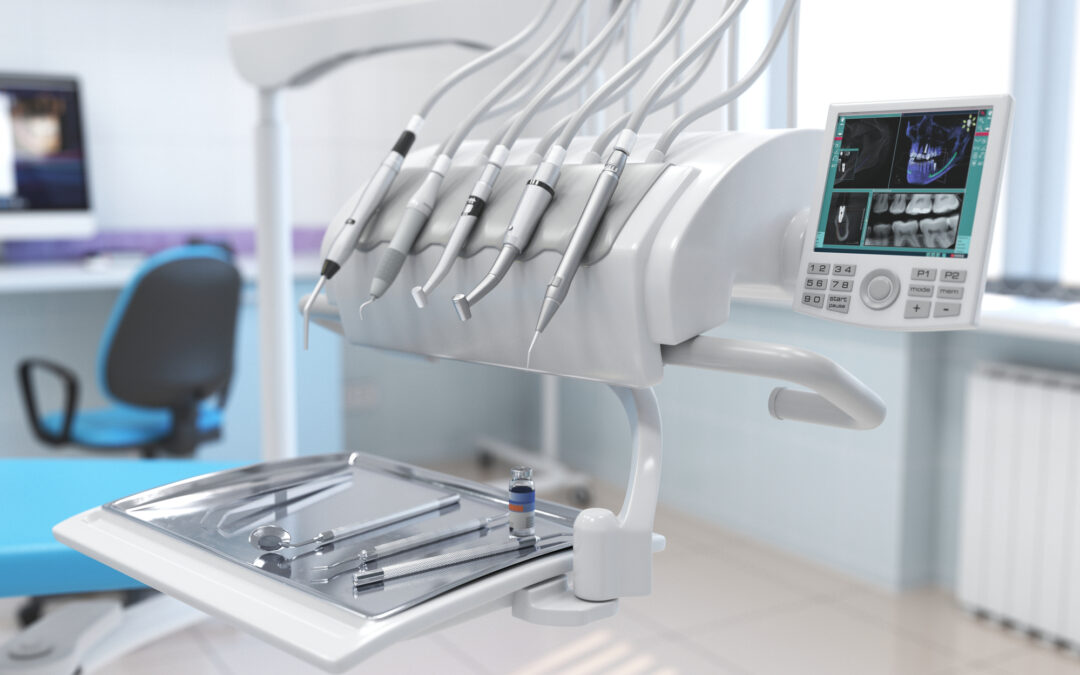
What to Expect from the Dental Industry in 2025
As we approach 2025, the dental industry is poised for significant transformation driven by technological advancements, shifting patient expectations, and an increased focus on holistic and personalized care. This transformation will redefine how dental practices operate, enhance patient experiences, and ultimately improve outcomes. In this article, we explore the key changes expected in the dental industry in 2025, with a focus on holistic dentistry and the patient-centered care model.
The Rise of Holistic Dentistry
One of the most exciting shifts in the dental industry is the growing prominence of holistic dentistry. Holistic dentistry, also known as biological or integrative dentistry, emphasizes the connection between oral health and overall well-being. Unlike traditional dental practices, which primarily focus on addressing symptoms and treating dental problems in isolation, holistic dentistry takes a more comprehensive approach to care.
By 2025, more dental professionals are likely to integrate holistic practices into their daily operations. This approach considers the patient’s entire physical, emotional, and environmental health when providing dental treatment. It also incorporates alternative therapies such as acupuncture, herbal remedies, and nutritional counseling to promote oral health and healing.
The increasing awareness of the potential health risks posed by traditional dental materials, such as mercury in amalgam fillings, is driving the demand for safer, more biocompatible alternatives. In 2025, expect more dental clinics to use materials that are non-toxic and bio-friendly, further aligning with holistic practices. There will also be a stronger emphasis on preventive care, with more patients opting for natural approaches to maintain their oral health rather than relying on reactive treatments.
Holistic dentistry not only enhances patient outcomes but also supports overall wellness by addressing the root causes of dental issues. This approach will continue to gain traction as people become more mindful of their health and well-being in the coming years.
The Patient-Centered Care Model
Alongside the rise of holistic dentistry, the patient-centered care model is set to become the cornerstone of dental practices by 2025. This model shifts the focus from a dentist-driven approach to one where the patient’s needs, preferences, and values guide treatment decisions. The patient-centered care model aligns perfectly with the trend of increasing personalization in healthcare.
In 2025, dental offices will be designed to prioritize comfort, trust, and collaboration. Patients will be more actively involved in the decision-making process regarding their treatment options, which can lead to improved outcomes and a higher level of satisfaction. As part of this model, dental professionals will spend more time understanding their patients’ individual concerns, preferences, and goals for their oral health.
Technology will play a crucial role in enhancing the patient-centered care model. With the advancement of artificial intelligence (AI), machine learning, and predictive analytics, dentists will be able to offer more personalized treatment plans based on a patient’s unique oral health history, genetics, and lifestyle factors. These technologies will help dentists predict potential oral health issues before they become significant problems, enabling earlier intervention and more effective treatment.
Additionally, the patient-centered care model will encourage open communication and a more collaborative relationship between patients and dental professionals. In 2025, patients will likely have access to digital platforms that allow them to communicate with their dentist, track their treatment progress, and ask questions in real-time. Virtual consultations, tele-dentistry, and secure online portals will all contribute to improving the patient experience by making care more accessible and convenient.
The Role of Technology in 2025
Incorporating cutting-edge technology into dental practices will be a hallmark of the dental industry in 2025. AI-powered diagnostic tools will enable dental professionals to detect issues like cavities, gum disease, and oral cancer at earlier stages, resulting in more effective treatments. AI will also streamline administrative tasks, allowing dental professionals to focus more on patient care and reducing wait times.
Another major technological advancement that will impact the dental industry is the use of 3D printing. By 2025, dental clinics will increasingly rely on 3D printing to create custom dental implants, crowns, and bridges with greater precision and speed. This will reduce the need for multiple visits and long waiting times, improving patient satisfaction and enhancing overall treatment outcomes.
Additionally, virtual and augmented reality (VR/AR) will provide more immersive patient experiences. Patients could use AR to see 3D models of their dental treatments before proceeding, giving them a better understanding of the procedure and reducing anxiety. VR could also help ease dental phobia by offering relaxing, virtual environments during procedures.
Preventive Care and Wellness
The dental industry in 2025 will see a stronger emphasis on preventive care. This shift reflects a broader trend in healthcare, where there is a growing recognition that prevention is more effective—and often more cost-efficient—than treatment. With the support of advanced technologies like AI, dentists will be able to offer more proactive care, including personalized dental hygiene programs and early intervention strategies for conditions such as gum disease, tooth decay, and oral cancer.
The integration of wellness practices into dental care will also grow in importance. In 2025, dental offices may offer wellness services that go beyond traditional dental care, such as stress management techniques, sleep apnea treatment, and nutritional counseling. These holistic services will support the overall health and well-being of patients, reinforcing the connection between oral health and systemic health.
The dental industry in 2025 will be a dynamic and patient-focused environment driven by technological innovation and an increased emphasis on holistic practices. Holistic dentistry and the patient-centered care model will play a key role in transforming patient experiences, ensuring that care is personalized, comprehensive, and centered around overall health and well-being. With advancements in technology, preventive care, and a more collaborative approach between patients and dental professionals, the future of dentistry is looking brighter than ever. As the industry evolves, dental practices will continue to strive for better outcomes, improved patient experiences, and a more integrated approach to healthcare.

Building Smiles: How to Launch and Grow a Successful Dental Implant Practice
The dental industry is continuously evolving, with dental implants becoming a cornerstone of modern dentistry. Offering a permanent solution for missing teeth, dental implants have transformed patient care, combining aesthetics with functionality. If you’re considering launching a dental implant practice, focusing on innovation, patient-centric care, and regenerative sustainable dentistry can set you apart from the competition. Here’s a comprehensive guide to starting and scaling your practice.
1. Understand the Dental Implant Industry
Dental implants are a booming sector within dentistry, driven by an aging population, growing awareness of oral health, and advances in technology. The global dental implant market is projected to grow significantly, providing ample opportunities for new businesses. To tap into this potential, you need a thorough understanding of dental implant procedures, patient demographics, and market trends.
Investing in cutting-edge technologies like 3D imaging, guided surgery, and digital workflows can optimize outcomes while minimizing patient discomfort. Additionally, embracing regenerative sustainable dentistry, such as using biocompatible materials and eco-friendly processes, aligns with the growing demand for environmentally responsible practices.
2. Develop a Comprehensive Business Plan
Launching a successful dental implant practice begins with a detailed business plan. This document should outline:
– Your mission and vision: Focus on improving patient lives through quality dental implants and sustainable practices.
– Target audience: Identify potential patients, such as those with missing teeth, gum disease, or ill-fitting dentures.
– Financial planning: Include startup costs, equipment, staff salaries, and marketing expenses.
– Revenue streams: Explore additional services, such as bone grafting, sinus lifts, and maintenance plans, to enhance income.
Incorporating regenerative sustainable dentistry into your business plan will help you stand out by appealing to environmentally conscious patients.
3. Invest in the Right Equipment and Training
To deliver exceptional care, you need advanced tools and a skilled team. Equip your practice with modern technologies, such as:
– Cone-beam computed tomography (CBCT) for precise imaging.
– CAD/CAM systems for custom implant designs.
– Sterilization units that meet eco-friendly standards.
Simultaneously, invest in ongoing education for yourself and your team. Attend workshops, pursue certifications, and stay updated on dental implant innovations and regenerative sustainable dentistry practices. A well-trained team ensures high-quality patient care, building trust and loyalty.
4. Prioritize Patient-Centric Care
Patients are at the heart of your dental implant practice. A seamless, comfortable experience can turn first-time visitors into loyal advocates. Focus on:
– Comprehensive consultations: Use visual aids and digital mock-ups to explain procedures.
– Personalized treatment plans: Address individual needs and preferences.
– Post-treatment care: Provide detailed aftercare instructions and follow-up support.
Integrating regenerative sustainable dentistry into your practice enhances the patient experience. For instance, using biodegradable materials and minimally invasive techniques reduces environmental impact and speeds up recovery.
5. Build a Strong Online Presence
In today’s digital age, an online presence is essential for attracting patients. Start with a professional website that highlights your services, expertise, and sustainable practices. Key components include:
– Search engine optimization (SEO): Use keywords like “dental implant” and “regenerative sustainable dentistry” to rank higher in search results.
– Patient testimonials: Showcase success stories to build credibility.
– Educational content: Post blogs and videos about the benefits of dental implants and your eco-friendly approach.
Social media platforms are equally important for engaging with your audience. Share updates, run promotions, and use platforms like Instagram and Facebook to showcase before-and-after photos.
6. Embrace Regenerative Sustainable Dentistry
Sustainability is no longer optional; it’s a necessity. By adopting regenerative sustainable dentistry, your practice can reduce waste, lower energy consumption, and promote long-term oral health. Here’s how:
– Eco-friendly materials: Use biocompatible implants made from recyclable or biodegradable components.
– Energy-efficient equipment: Opt for devices that consume less power.
– Digital workflows: Minimize paper use with electronic health records and digital imaging.
Patients are increasingly drawn to businesses that align with their values. A commitment to sustainability can enhance your reputation and attract a broader client base.
7. Create a Network of Referrals
Collaborating with other dental and medical professionals can drive growth. Build partnerships with general dentists, periodontists, and orthodontists who can refer patients needing dental implants. Similarly, consider partnering with laboratories that specialize in eco-friendly implant components.
8. Monitor Performance and Adapt
Continuous improvement is key to long-term success. Regularly assess your practice’s performance by analyzing:
– Patient feedback: Use surveys to identify areas for improvement.
– Financial metrics: Track revenue, profit margins, and patient acquisition costs.
– Market trends: Stay updated on advancements in dental implant technology and sustainability practices.
Adapt your strategies based on findings, ensuring your practice remains competitive and aligned with patient needs.
Launching and growing a successful dental implant practice requires more than clinical expertise. By combining innovative technologies, patient-centric care, and a commitment to regenerative sustainable dentistry, you can build a thriving practice that benefits both patients and the planet.
As the demand for dental implants grows, so does the responsibility to provide solutions that are not only effective but also sustainable. By focusing on quality, innovation, and environmental stewardship, you can create a practice that truly builds smiles for a better future.

Designing Engaging Vacation Care Programs: Fun Activities for Kids
Vacation care programs play a vital role in the lives of both children and their parents. During school holidays, these programs offer a structured environment where children can engage in fun and educational activities while their parents continue to work. A well-designed vacation care program is not only entertaining but also promotes growth and development in children, helping them build essential skills, make new friends, and explore their interests.
Understanding the Importance of Vacation Care Programs
Vacation care programs are more than just a way to keep kids occupied during school breaks. They are an opportunity to provide a rich and diverse experience that encourages social interaction, creativity, and physical activity. When carefully designed, these programs can significantly contribute to a child’s overall development.
Parents often seek vacation care programs that offer a balance of structured activities and free play. They want their children to be engaged, learn new things, and, most importantly, have fun. For vacation care providers, the challenge lies in creating programs that meet these expectations while also ensuring that the activities are safe, age-appropriate, and aligned with developmental goals.
Key Elements of an Engaging Vacation Care Program
When designing a vacation care program, it’s crucial to incorporate a variety of activities that cater to different interests and age groups. The following key elements can help in creating a program that is both engaging and beneficial for children:
1. Creative Arts and Crafts
Art and craft activities are a staple of vacation care programs. These activities allow children to express their creativity, experiment with different materials, and develop fine motor skills. Whether it’s painting, sculpting, or making collages, creative projects provide an outlet for self-expression and can be tailored to suit various themes or seasons.
For example, during a summer program, children can create beach-themed crafts, while a winter program might focus on holiday decorations. These projects can be designed to be collaborative, encouraging teamwork and communication among children.
2. Physical Activities and Sports
Physical activity is essential for children’s health and well-being. Incorporating sports and outdoor games into your vacation care program not only keeps kids active but also helps them develop important motor skills, coordination, and teamwork. Activities like soccer, basketball, or obstacle courses are great for burning off energy and teaching kids the value of physical fitness.
In addition to traditional sports, consider introducing activities like yoga or dance, which can promote flexibility, balance, and body awareness. These activities are not only fun but also help children learn how to manage stress and relax.
3. Vacation Care Excursions
Excursions are a highlight of many vacation care programs and provide a fantastic opportunity for children to explore new environments and learn outside the traditional classroom setting. Vacation care excursions can include visits to local museums, zoos, parks, or even farms, where children can interact with animals, learn about nature, or explore history and culture.
These outings are not only exciting for children but also educational. They can spark curiosity, encourage exploration, and promote a love for learning. When planning excursions, it’s essential to consider the logistics, such as transportation, safety measures, and the relevance of the destination to the program’s goals.
4. STEM Activities
Incorporating STEM (Science, Technology, Engineering, and Mathematics) activities into your vacation care program can be both educational and entertaining. Simple experiments, building projects, or coding exercises can stimulate children’s interest in science and technology. These activities promote critical thinking, problem-solving, and innovation, all of which are crucial skills for the future.
For example, you can organize a science day where children can participate in fun experiments, like making slime or launching homemade rockets. These hands-on activities are not only enjoyable but also provide practical knowledge that children can build on as they grow.
5. Drama and Performing Arts
Drama and performing arts activities allow children to express themselves, build confidence, and enhance their communication skills. Through role-playing, improvisation, and storytelling, children can explore different characters and scenarios, which helps develop empathy and social awareness.
Organizing a small play or talent show at the end of the vacation care program can give children a sense of accomplishment and pride in their abilities. This also provides an opportunity for parents to see the progress their children have made.
Promoting Growth and Development Through Fun Activities
The ultimate goal of any vacation care program should be to create an environment where children can grow, learn, and thrive while having fun. Engaging activities that are thoughtfully designed can promote growth and development in various ways:
– Social Development: Group activities and team-based games encourage children to interact with peers, build friendships, and learn important social skills such as cooperation, sharing, and communication.
– Cognitive Development: Educational activities, whether through STEM, arts and crafts, or excursions, challenge children’s minds and promote cognitive growth. These activities help children develop problem-solving skills, creativity, and a love for learning.
– Emotional Development: Vacation care programs can also support emotional growth by providing a safe and supportive environment where children can express their feelings, build self-esteem, and develop resilience.
– Physical Development: Through sports and physical activities, children improve their physical health, motor skills, and overall fitness, which are crucial for their growth and well-being.
Designing an engaging vacation care program requires careful planning, creativity, and a deep understanding of children’s needs. By incorporating a mix of creative, physical, educational, and social activities, you can create a program that not only entertains but also promotes growth and development. Vacation care excursions, in particular, offer unique opportunities for children to explore the world around them, gain new experiences, and foster a love for learning. Ultimately, a well-rounded vacation care program helps children make the most of their holidays, ensuring they return to school refreshed, enriched, and ready for new challenges.
Latest Articles
 A Smile Designed for Life: How Cosmetic Dentistry Can Complement Australia’s Changing Lifestyle
 How Orthodontists in Wheelers Hill Balance Science, Aesthetics, and Patient Care
 Smile and Style: How Orthodontics Shapes Modern Lifestyles
 Veneers and Wellness: A Smile That Reflects a Healthy Lifestyle
 Post-Whitening Life: How to Keep Your Smile Bright Every Day